

The History and Evolution of Mahjong
Mahjong, a traditional Chinese game, has captivated players for centuries with its unique blend of skill and chance. The origins of Mahjong are shrouded in mystery, with various theories about its creation. Some believe it dates back to Confucius, while others argue it emerged during the Qing dynasty. Regardless of its origins, Mahjong has evolved into a popular pastime enjoyed by millions worldwide.
The Basics of Mahjong
Mahjong is often compared to card games such as poker, due to its strategic depth and reliance on skill and memory. The game is traditionally played by four players and utilizes a set of 144 tiles, although variations exist. The objective is to build a complete hand, often referred to as a "Mahjong," which consists of specific sets and pairs.
The Tiles
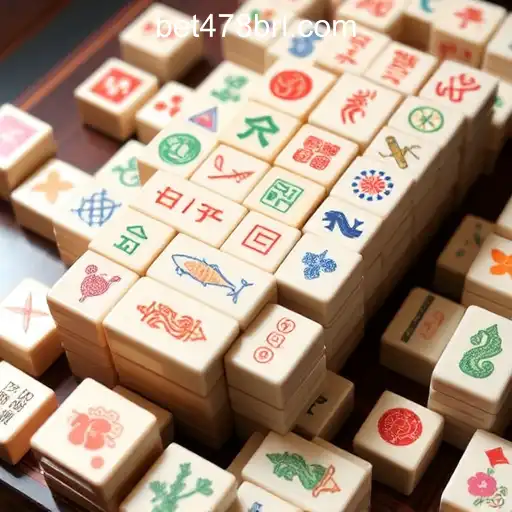
The tiles are divided into several categories, including suits, honors, and bonus tiles. The suits include characters, bamboos, and circles, each numbered from one to nine. Honor tiles consist of four winds and three dragons, while bonus tiles feature flowers and seasons. Understanding the significance of each tile type is crucial for mastering the game.
Mahjong Variations
Throughout history, Mahjong has diversified into several regional variations, each embodying the local culture and rules. Notable versions include Chinese Classic Mahjong, Hong Kong Mahjong, Japanese Riichi Mahjong, and American Mahjong. Each variant has its unique rules and scoring systems, offering a distinctive experience for players.
Chinese Classic Mahjong
This version is considered the oldest and stresses strategic play and tile efficiency. It forms the basis for many other variations and is popular in mainland China.
Hong Kong Mahjong
Highly popular in the region, this variant is faster-paced and incorporates simpler scoring rules. It’s known for promoting high-speed gameplay and greater risk-taking, making it a favorite among enthusiasts.
Japanese Riichi Mahjong
This style adds an element of hidden information through a rule system known as "Riichi," which involves declaring readiness to win. It emphasizes psychological play, bluffing, and the strategic use of concealed and revealed tiles.
American Mahjong
A distinct variant introduced in the United States in the early 20th century, it includes unique features such as special cards and specific scoring hands, designed to simplify the game for Western audiences.
The Impact of Mahjong on Modern Culture
Mahjong is more than just a game; it is a cultural icon with significant social and economic impacts. Regular Mahjong gatherings are a societal staple in many Asian countries, fostering community and family bonds. Moreover, Mahjong tournaments have proliferated globally, drawing competitive players from different corners of the world.
Mahjong in Pop Culture
Movies, TV shows, and literature frequently reference Mahjong, often using it as a metaphor for strategy and wisdom. Popular films have showcased tense Mahjong matches, while novels incorporate the game into complex narratives, further embedding it into modern culture.
The Digital Age of Mahjong
The digital revolution brought Mahjong into the online realm, expanding its accessibility and audience. Online platforms offer various versions of the game, enabling players half a world apart to compete. These platforms often incorporate elements of gamification and social networking to enhance the overall experience.
Bet478.com Oficial Slots Brasil #1: A New Frontier
With the advent of gambling and online betting, Bet478.com has emerged as a notable platform, capturing the interest of casino enthusiasts globally, especially in markets like Brazil. The integration of traditional games such as Mahjong into their offerings amplifies their allure, representing a harmonious blend of tradition and modern entertainment. For those interested, exploring further on this portal can provide insights into how classic games like Mahjong remain relevant in today's digital entertainment landscape.
Conclusion
Mahjong's enduring charm lies in its rich history, the diversity of its variations, and its adaptability to cultural shifts and technological advances. From traditional tile sets to digital screens, Mahjong continues to entertain and challenge players, securing its place as a timeless game whose legacy is ever-expanding across continents.